


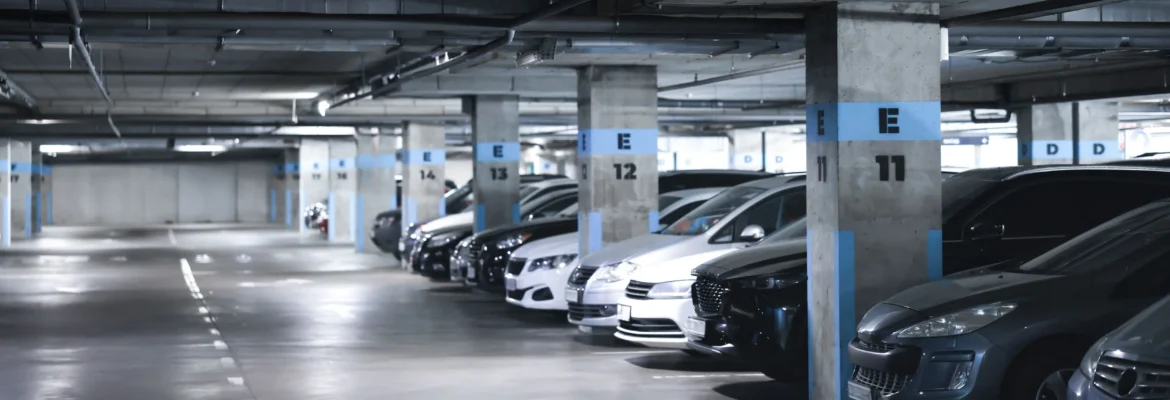
You own a condominium unit with parking and have used the same parking spots for 20 years. When you bought the property, it was advertised as coming with two parking spots and you always thought you owned them. Eventually you discover you do not have title to the parking spots, which are owned by predecessor owners who sold the property almost 40 years ago and have since died.
Although this situation can come as a surprise to property owners, there are several ways to address it. One option is a court application for rectification, as illustrated in Faria v Cairo, 2026 ONSC 4477, where Pallett Valo was successful in obtaining rectification of the historical conveyancing error.
The Conveyancing Error
Antonio and Chiara Cairo owned a residential condominium property with two parking units in Toronto and held title as joint tenants. After Chiara died, Antonio sold the property in 1987. A survivorship application was registered to pass sole ownership to Antonio so he could transfer title to the purchasers. However, the survivorship application was only registered on title to the dwelling unit. It was not registered against the two parking units and only the dwelling unit was transferred to the purchasers. The omission went unnoticed and the Cairos remained the registered owners of the parking units.
The property changed hands several times, including a sale to the applicant in 2006. Each successive owner believed they acquired the parking units, and the title error remained undetected until recently. By then, Antonio Cairo had also died.
Correcting Title with Rectification
Rectification allows a court to correct a legal instrument that fails, by mistake, to reflect the true agreement it was intended to record.
The court in Faria v Cairo held that because of the omission to register the survivorship application against the parking units in 1987, every transfer since then mistakenly omitted to include the parking units.
The court granted rectification, relying on the equitable doctrine of rectification, sections 159 and 160 of the Land Titles Act and section 100 of the Courts of Justice Act. The statutory provisions address rectification of the register and the court’s power to vest an interest in real property, respectively.
Almost 40 years after the original error, the parking units and dwelling unit were finally brought back into common ownership as intended.
Practical Takeaways
This decision illustrates the court’s broad authority to resolve longstanding title errors, even where the original registered owners have died. It also underscores the value of identifying discrepancies early during the closing process to avoid surprises many years later.